
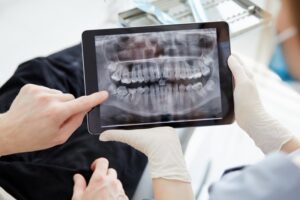
Most people know that brushing, flossing, and routine dental cleanings are essential for maintaining a healthy smile. However, one of the most powerful tools in protecting your oral health is early detection. Identifying dental problems in their initial stages can prevent pain, save money, and preserve your natural teeth for years to come. Here’s why early detection matters and how it can make a major difference in your overall well-being.
Early Detection Helps Prevent Serious Problems
Many oral health issues—such as cavities, gum disease, and infections—begin quietly and painlessly. By the time symptoms become noticeable, the problem has often progressed significantly. Regular dental exams allow your dentist to spot issues before they become advanced. For example:
- Small cavities can be treated with simple fillings, whereas untreated decay may require root canals or tooth extraction.
- Early gum disease (gingivitis) is reversible, but advanced gum disease can cause bone loss and tooth mobility.
- Minor enamel erosion can be managed with fluoride treatments before it leads to sensitivity or decay.
By catching these concerns early, treatment is simpler, faster, less invasive, and more comfortable.
It Saves Money in the Long Run
Dental problems become more complex and expensive as they worsen. A small cavity treated early might cost relatively little to fix, but if ignored, it can progress into severe decay requiring crowns, root canals, or even implants. Gum disease can also lead to costly periodontal treatments or tooth replacement.
Expensive dental work is often avoidable with routine preventive care. Early detection helps you stay ahead of problems instead of reacting to dental emergencies.
It Protects Your Overall Health
Your mouth is closely connected to the rest of your body. Many oral health issues have been linked to systemic conditions such as heart disease, diabetes, respiratory infections, and pregnancy complications. Gum inflammation, in particular, can increase inflammation throughout the body.
In addition, dentists are often the first to spot signs of underlying health problems, such as vitamin deficiencies, autoimmune disorders, and even certain cancers. Early detection during a dental visit can contribute to earlier medical treatment and better health outcomes.
It Increases the Chances of Saving Natural Teeth
Once a tooth is severely damaged or infected, saving it becomes more difficult. Early intervention allows your dentist to preserve as much natural tooth structure as possible. Maintaining your natural teeth is not only healthier but also more comfortable and cost-effective than relying on dental prosthetics.
A Key Part of Early Detection: Regular Dental Visits
The best way to ensure early detection is to maintain regular dental checkups—typically every six months. These visits allow your dentist to monitor changes, catch problems early, and recommend preventive treatments such as cleanings, fluoride, or sealants.
Early detection is one of the simplest yet most powerful ways to protect your oral health. By staying proactive and consistent with dental care, you can enjoy a healthier smile and avoid many of the complications that come from untreated dental problems.
About the Author
Dr. Roger Morton’s career in the dental field spans 2 decades. He earned his doctorate at the University of Texas Health Science Center at San Antonio and today still regularly pursues continuing education in a number of dental specialties, including dental implants, removable dentures, and endodontics. Dr. Morton is also a member of the American Dental Association and the Texas Dental Association. If you’re in need of preventive care, schedule an appointment with us online or call (972) 442-5599.